Fed Rate Cuts vs. Mortgage Rates
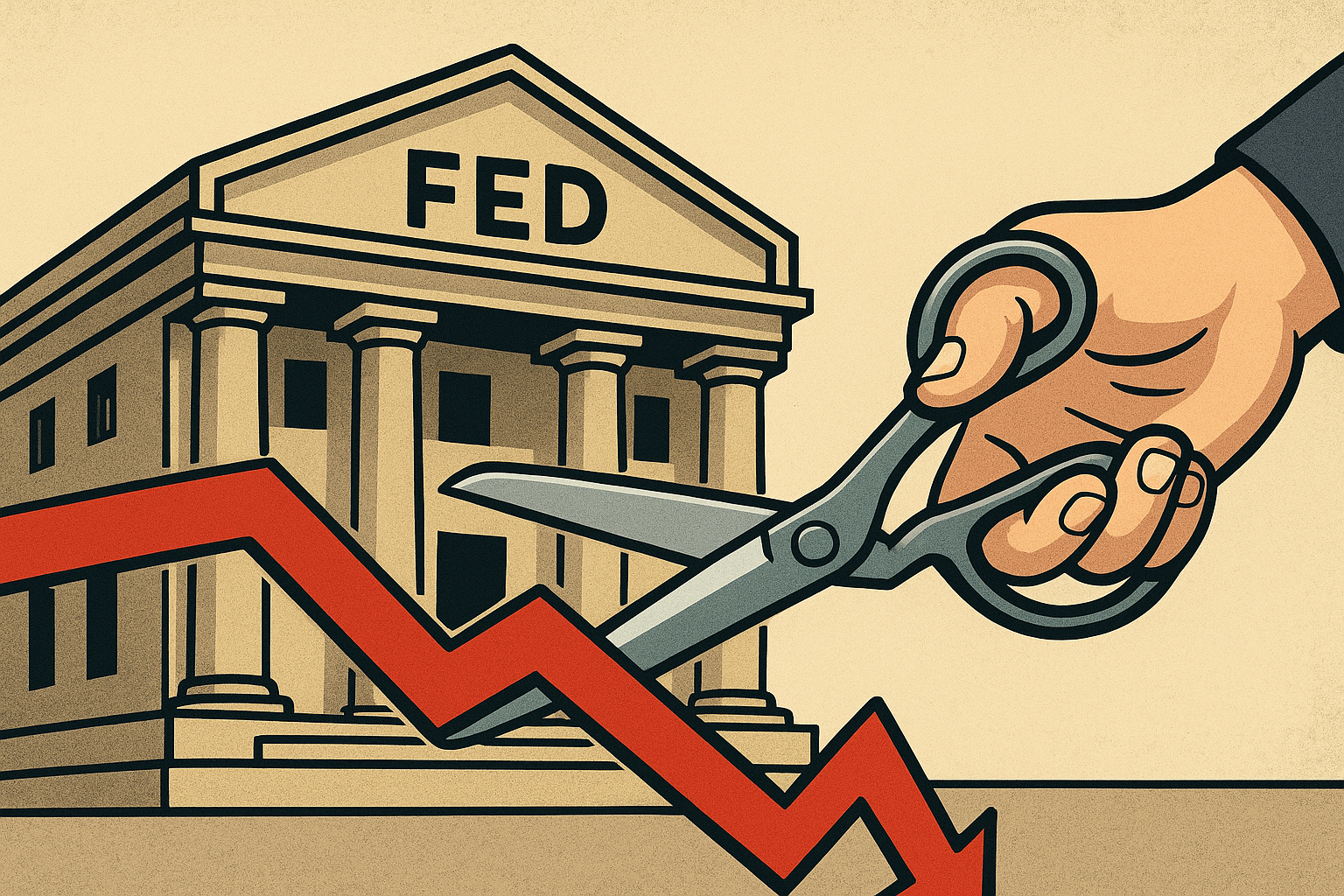
1. What the Fed Controls
- The Federal Reserve controls the Federal Funds Rate — the overnight rate banks charge each other for lending reserves.
- This is a short-term rate, and it influences things like credit cards, auto loans, and home equity lines almost immediately.
- It does not directly set mortgage rates, which are long-term.
2. What Drives Mortgage Rates?
- Mortgage rates are very different. They are based on long-term loans, usually for 30 years. Lenders who give out mortgages don’t just look at the Fed’s rate. They’re more concerned about what the economy will look like over the next 30 years. To decide on a rate, they look at things like the 10-year Treasury bond yield, which is basically a bet on what long-term interest rates will be.
- So, while the Fed’s rate cut is a nudge toward lower rates, it’s not the only thing influencing the bond market’s long-term bets. Other big economic factors can push in the opposite direction.
3. The Correlation Between Fed Cuts and Mortgage Rates
- While the Fed doesn’t set mortgage rates, its actions indirectly influence them:
- A Fed rate cut can lower yields on short-term Treasuries and shift investor sentiment toward longer-term bonds/MBS, which may push mortgage rates down.
- However, if the market has already priced in the expected cut, mortgage rates might not move much—or at all.
- Sometimes, if a cut sparks inflation fears, long-term yields (and mortgage rates) could even rise.
- Other factors like unemployment, inflation, tariffs and government debt increases drive interest rates as much (if not more) as Fed rate cuts
4. Other Factors that Play a Role
💰 Inflation
Inflation is when prices for everything are rising. If a lender gives you a loan today, but inflation is high, the money they get back in 15 or 30 years won’t be worth as much as the money they lent you. To protect themselves, they will charge a higher interest rate to make sure they get a good return on their money. This is a huge reason why mortgage rates can stay high, even if the Fed cuts its rate.
👷♂️ Unemployment
The unemployment rate tells us how strong the job market is.
- When unemployment is low (lots of people have jobs), the economy is usually strong. People are spending money, which can lead to more inflation. The Fed might even be cautious about cutting rates too much because they don’t want to make inflation worse.
- When unemployment is high, it can signal that the economy is struggling. In this case, people are less likely to buy homes, and the Fed is more likely to cut rates aggressively to try to boost the economy. High unemployment usually puts downward pressure on mortgage rates.
📈 Tariffs
Tariffs are taxes on imported goods. When the government puts tariffs on products from other countries, it makes those products more expensive. This can lead to inflation because companies either pass on the cost of the tariffs to customers or raise prices on their own products to stay competitive. This tariff-fueled inflation can also make lenders nervous, causing them to push for higher mortgage rates to protect their profits.
💡 Takeaway
A change in the Fed’s rate can influence a lot of things, but it is only one of many factors that determines mortgage rates.
Looking to Purchase or Refinance?
At Carlson Mortgage, we’re dedicated to helping St. Louis residents navigate the mortgage process and find the perfect loan for their needs. Our experienced mortgage brokers can help you find the right mortgage to fit your needs and budget and will help you make informed decisions about buying a home. Call or text us at (314) 329-7314 or fill out our loan application at www.carlsonstl.com/apply for a purchase or a refinance mortgage,.
Comments are closed